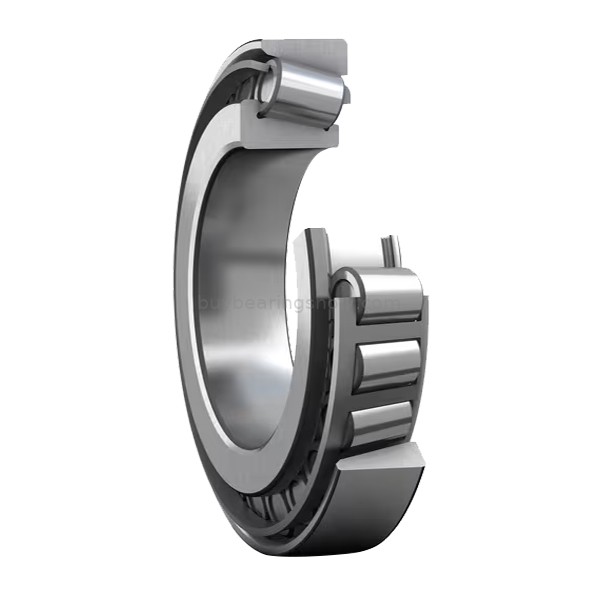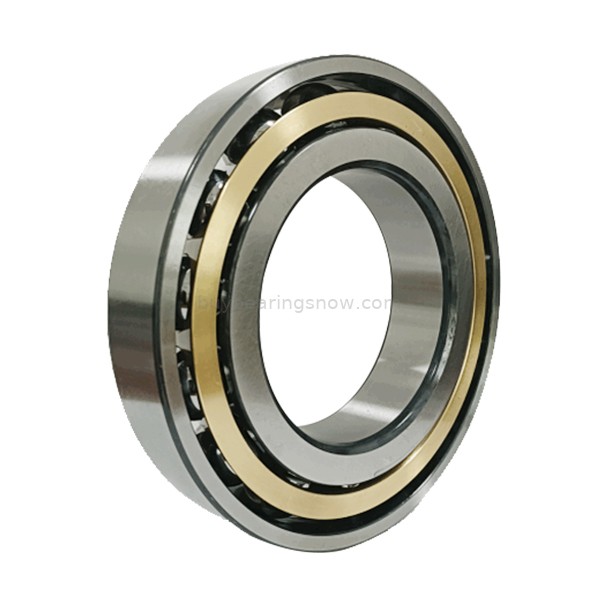
Decoding the Timken ADAPT™ Bearing,Read the Model Numbers and Specs.
If you are holding a Timken ADAPT™ selection chart or preparing a purchase order, staring at a string of letters and numbers like TA2220 or TA3160M can be confusing. Don't worry—it is actually a very logical code. Once you understand the pattern, it is easy to read.
1. The "ID Card": What Does TA2220 Mean?
ADAPT™ model numbers usually follow the format: TAxxxx or TAxxxxM.
Prefix "TA": This is Timken's specific code for the ADAPT™ series, indicating it has the dual capability of "Axial Float + Self-Alignment."
The Numbers (Size Code): These four digits are the core of the ID. Generally, they correspond to the bore (inner diameter) and the width/outside diameter series. Note: It is an industry coding system, not a direct math equation.
Suffix "M": If you see this letter at the very end, it refers to the Cage Material.
No Suffix: Usually indicates a Stamped Steel Cage, which is strong and good for general use.
"M" Suffix: Indicates a Machined Brass Cage. This is tougher and designed for severe operating conditions with high vibration or where extra strength is needed.
2. Translating the "Jargon" in the Parameter Table
When looking at the spec sheet, you will see rows of numbers. Here is a plain-English translation of the most useful ones:
d (Bore Diameter): The thickness of the shaft. E.g., 100mm means the shaft passing through the bearing is 100mm wide.
D (Outer Diameter): The width of the bearing from edge to edge. E.g., 180mm. This determines the size of the hole you need in the housing.
C (Width): How thick the bearing is. This determines how much space it takes up in the machine.
C (Dynamic Load Rating): Simply put, this tells you how much weight the bearing can carry while spinning. The higher the number, the "tougher" the bearing and the longer its life. ADAPT™ ratings are roughly 7% higher than competitors of the same size.
Speed Ratings:
Oil: Maximum speed with oil lubrication.
Grease: Maximum speed with grease lubrication. ADAPT™ bearings generally run comfortably in the 1000–2000 RPM range (depending on size) with grease, and because they run cooler, they are more stable at speed.
3. Quick Reference for Common Models
To help you cross-reference, here is a summary of typical models found in the documentation:
| Model (Timken PN) | Bore d (mm) | OD D (mm) | Width C (mm) | Max Grease Speed (RPM) | Notes |
|---|---|---|---|---|---|
| TA2220 | 100 | 180 | 46 | 2200 | Compact, suitable for smaller equipment |
| TA2222 | 110 | 200 | 53 | 2000 | Slightly larger, highly versatile |
| TA2322 | 110 | 240 | 80 | 1800 | Increased width for higher load capacity |
| TA3040 | 200 | 310 | 82 | 1100 | Common size for medium-to-large equipment |
| TA3152 | 260 | 440 | 144 | 660 | Large heavy-duty, lower speed |
| TA3160M | 300 | 500 | 160 | 550 | Extra-large with "M" for Brass Cage |
While the specs look standard, the documentation emphasizes that ADAPT™ installation is unique. Specifically, when mounting on a "blind end" (where the shaft ends), the shaft shoulder diameter must be large enough to secure the outer ring and roller assembly. So, when machining the shaft or installing, always verify the dimensions or consult a Timken engineer to ensure the shoulder isn't too small.