Specifying Rexnord Spherical Bearings Seals, Mounting Styles, and Field Adjustments
There’s nothing quite like the headache of cracking open a heavy-duty machine only to find a "standard" bearing shredded weeks before its time. We’ve all been there. In my years running industrial maintenance, I’ve realized that most downtime isn't bad luck—it’s usually just a mismatch between the hardware and the reality of the shop floor.
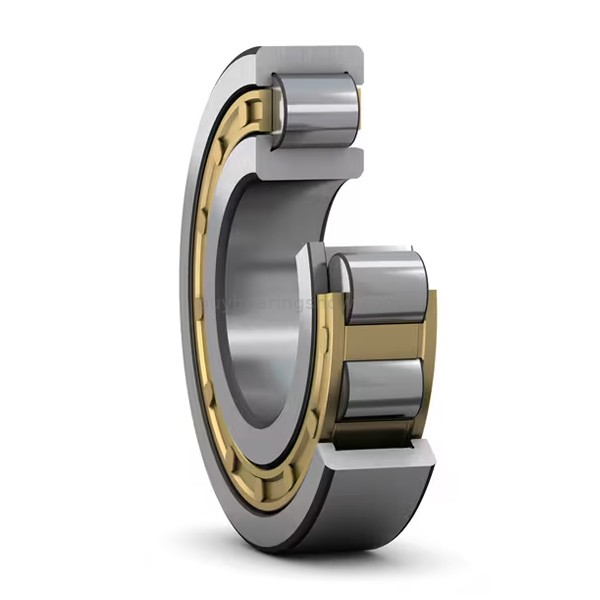
When things get ugly, I usually stop looking at generic parts and pull out the Rexnord (Rex) Spherical Roller Bearing catalog. It’s not just a list of part numbers to me; it’s more like a survival guide for environments that eat machinery for breakfast—think mining, steel mills, the works.
Here’s the "real world" breakdown of why these units actually hold up.
It’s Built for the "Real World" (Which is Never Straight)
In a perfect world, every shaft would be perfectly aligned. But let’s be honest: foundations settle, and shafts flex under load. Most bearings hate that. They bind up and fail.
The "secret sauce" in the Rex design is its adaptability. It’s designed to "float" and self-align, handling up to 4 degrees of misalignment. Instead of fighting the movement and causing edge loading, it just rolls with the punches. It’s 80 years of engineering packed into a housing that understands things aren't always going to be perfect.
The Seal: Don't Get This Wrong
If you ask me, the quickest way to kill a bearing is picking the wrong seal. I’ve seen it a thousand times. The Rex catalog breaks this down into what I call the "Hierarchy of Harshness," and you’ve got to be honest about your environment:
- Need Speed? (Type Z): If you're worried about heat or running fast, go with the Type Z. It’s an all-metal, no-contact seal. No drag means no extra heat.
- The All-Rounder (Type K): This is your standard nitrile lip seal. Good for general dust, but don't push it too hard.
- The "Dirty" Work (Type M): If you’re dealing with washdowns or grit, you want this spring-loaded contact seal. It stays tight even when things start shaking.
- The Bunker (Type G): This is for the absolute worst-case scenarios—vibration, fine particulates, you name it. It’s a triple-lip beast with a metal guard.
Pro Tip: If you see an "X" rating on their chart (like in a cement plant), don't skip the Auxiliary Cap Seals. It’s a small extra cost that will literally double your bearing’s life.
Deciphering the Mounting Logic
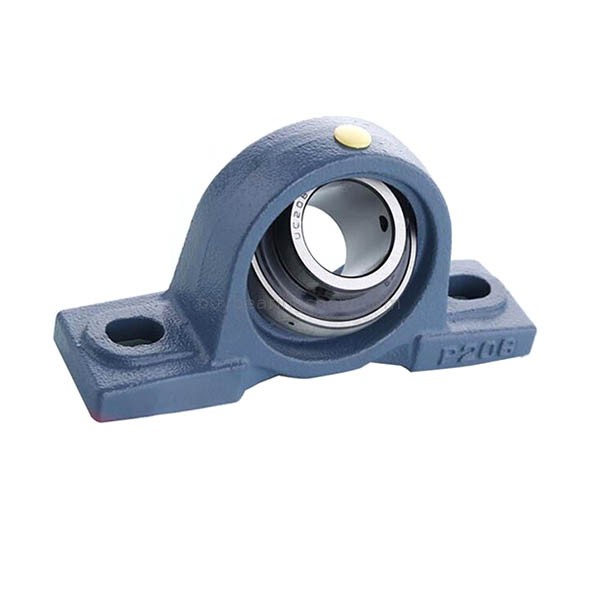
Rex uses a numbering system that actually makes sense once you get the hang of it. It’s all about how that bearing grabs the shaft:
- 2000 Series: Your basic set collar. Simple, cheap, works for normal duty.
- 5000 Series: Double set collars. When you need that extra bit of stability to keep things locked down.
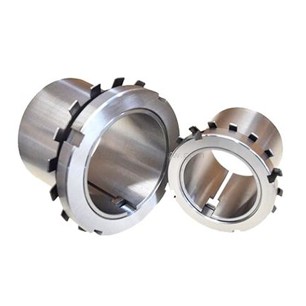
- 6000 & 9000 Series (The Heavy Hitters): These use adapter mounts for full bore contact. If you’ve got undersized shafting or need maximum precision, this is the way to go. The SHURLOK system in the 6000 series is a lifesaver—it takes the guesswork out of the mounting process, which means fewer mistakes by the night shift.
The Part Your Maintenance Crew Will Thank You For
The thing I love most? These aren't "set it and forget it" (and then watch them fail) units. You can actually adjust the clearance in the field. They run quiet, they run cool, and they don’t cause those 3 AM emergency calls that we all hate.