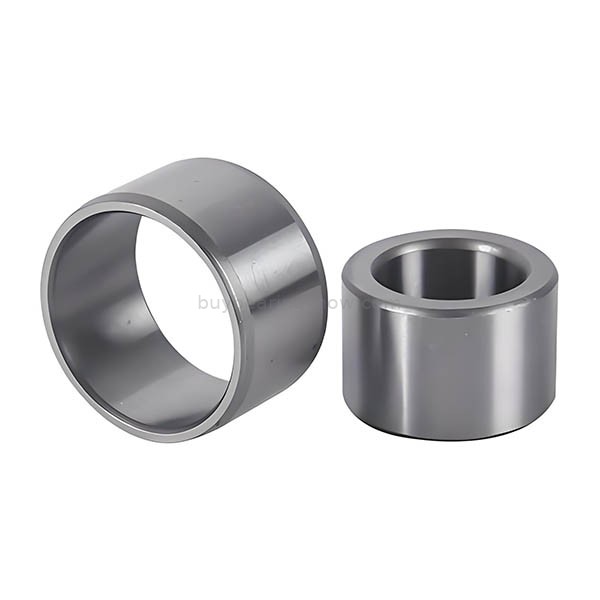
The Secret Sauce of High-Performance Bearings
Imagine a bearing that doesn't just roll, but performs a high-wire act between friction, heat, and corrosion. In the world of high-precision engineering, the goal is always the same: make it last longer, run hotter, and resist rust better.
One of the most exciting advancements is the use of Hybrid Bearings. This is where traditional metal meets space-age ceramic. By pairing any of GRW’s high-quality steel rings with super-hard ceramic balls, engineers can break through the normal limits of what a bearing can handle. Ceramic balls are lighter and harder than steel, which means less friction and the ability to operate at higher speeds and temperatures. It’s a game-changer for applications that were once considered "impossible."
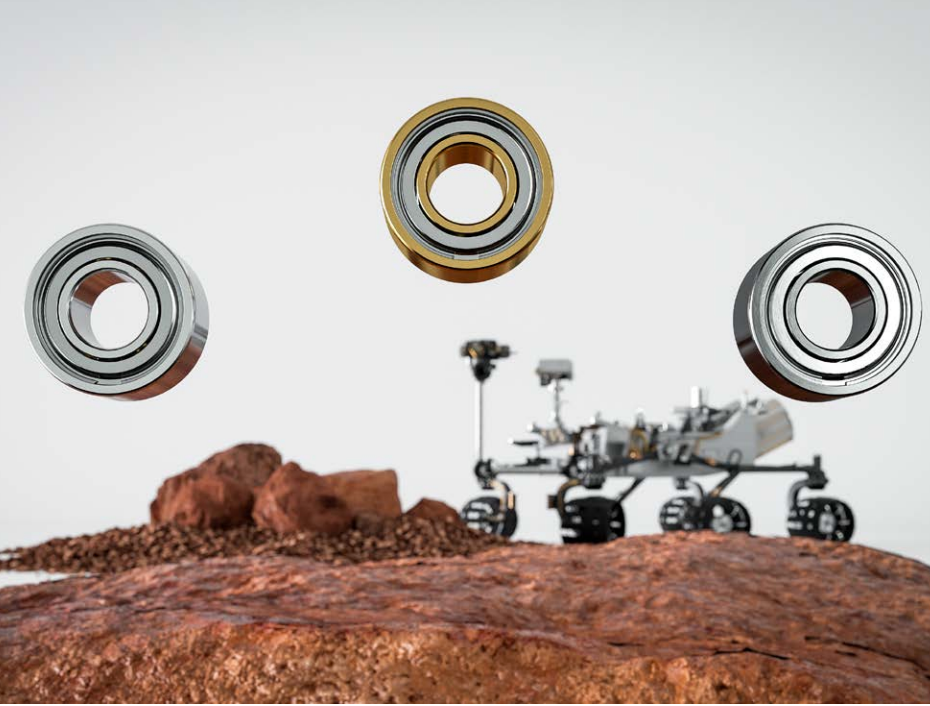
But what about the steel itself? It’s not just what the steel is made of, but how it’s treated. Take the "S" (440C) steel, a traditional favorite in aerospace. GRW subjects this martensitic alloy to a very specific hardening and tempering process. The result? A material that forms a passive chromium oxide layer on the surface, offering substantial protection against rust. This is crucial for aircraft components that face changing altitudes and temperatures. The key metric here is keeping the retained austenite low, ensuring dimensional stability so the part doesn't change size when the heat is on.
For the absolute toughest jobs, there’s the "SP" steel. While it shares a chemical background with the corrosion-resistant SV steel, SP is engineered specifically for high-temperature applications, like those found in the machine tool industry. It maintains its hardness even when things get scorching hot, offering effective resistance against both heat and corrosion.
Ultimately, choosing the right bearing isn't just about picking a part number. It’s about understanding the environment. Whether it’s the biocompatibility needed for a medical implant, the dry coatings required for a vacuum pump, or the extreme load capacity for a turbocharger, the right material mix makes all the difference.